

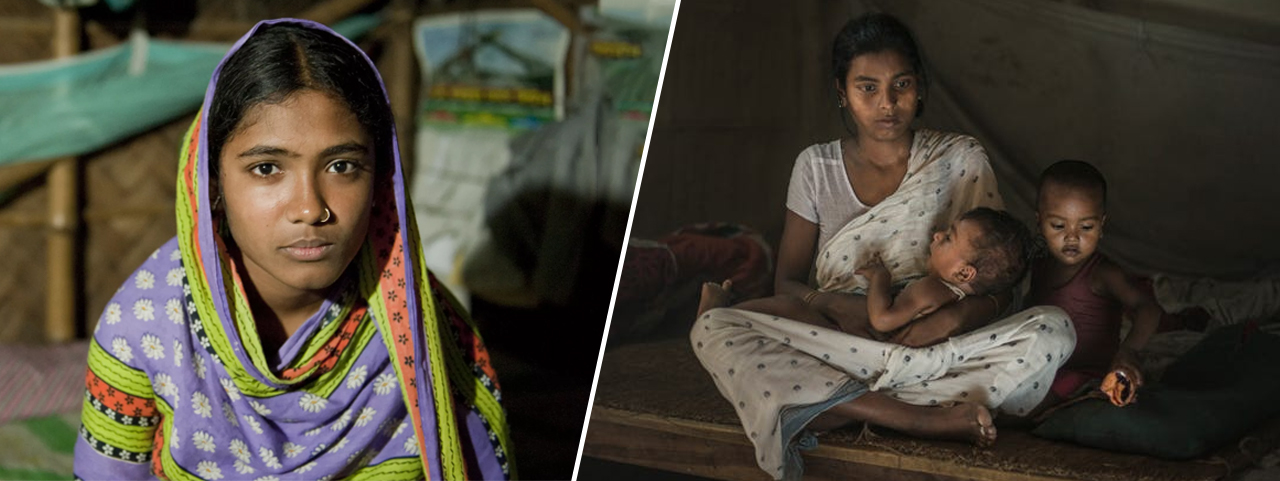
Efforts for the Rehabilitation of Widows and Divorced Women
Widows and divorced women often face multifaceted challenges in society, including emotional trauma, financial instability, social stigma, and isolation. Rehabilitation efforts aimed at empowering them not only provide them with a sense of dignity and purpose but also help them reintegrate into society as independent and contributing individuals. These efforts must be multi-dimensional and inclusive, addressing both the emotional and socio-economic aspects of their lives.
Emotional and Psychological Support
One of the primary needs of widows and divorced women is emotional healing. Losing a partner—whether through death or separation—can be traumatic. Establishing support groups, helplines, and counseling centers is essential to help them cope with grief, depression, and feelings of rejection or worthlessness. These support systems should be confidential, non-judgmental, and easily accessible.
Skill Development and Livelihood Training
Economic independence is key to true rehabilitation. Providing vocational training in areas such as tailoring, embroidery, beauty services, computer skills, cooking, and handicrafts can empower these women to earn a livelihood. Partnerships with local industries, NGOs, and government schemes can help provide certified training programs that lead to sustainable employment or self-employment opportunities.
Educational Opportunities
Many widows and divorced women are either school dropouts or have limited education. Adult education programs and literacy missions can play a vital role in boosting their confidence and enabling them to pursue better career options. Scholarships and flexible learning programs should be made available for those who wish to resume or complete their education.
Financial Assistance and Microloans
Access to financial resources is often a barrier to independence. Governments and NGOs can offer small grants or interest-free microloans to help women start small businesses or become self-employed. Financial literacy programs should also be conducted to help them manage personal and business finances effectively.
Shelter and Safe Housing
For women who are homeless or in unsafe living conditions, providing shelter homes or safe housing is crucial. These homes should offer more than just a roof—they should provide a nurturing environment, legal support, and access to healthcare and counseling.
Legal Aid and Rights Awareness
Widows and divorced women may not be fully aware of their legal rights, including inheritance rights, alimony, child custody, and protection from domestic abuse. Free legal aid services, awareness campaigns, and workshops can educate and empower them to fight for their rights and navigate legal processes confidently.
Community Sensitization and Inclusion
Rehabilitation also involves changing societal attitudes. Community outreach programs, awareness drives, and inclusive events can help reduce the stigma and discrimination that these women face. Encouraging community participation and acceptance ensures that their reintegration is smooth and respectful.
Conclusion
Rehabilitating widows and divorced women is not just a matter of charity—it is a step towards justice, equality, and social progress. Empowering them to live independent, dignified lives benefits not only the individuals themselves but also their children, families, and communities. With collective effort and compassion, we can build a society where every woman gets a second chance at life—one filled with hope, purpose, and respect.