

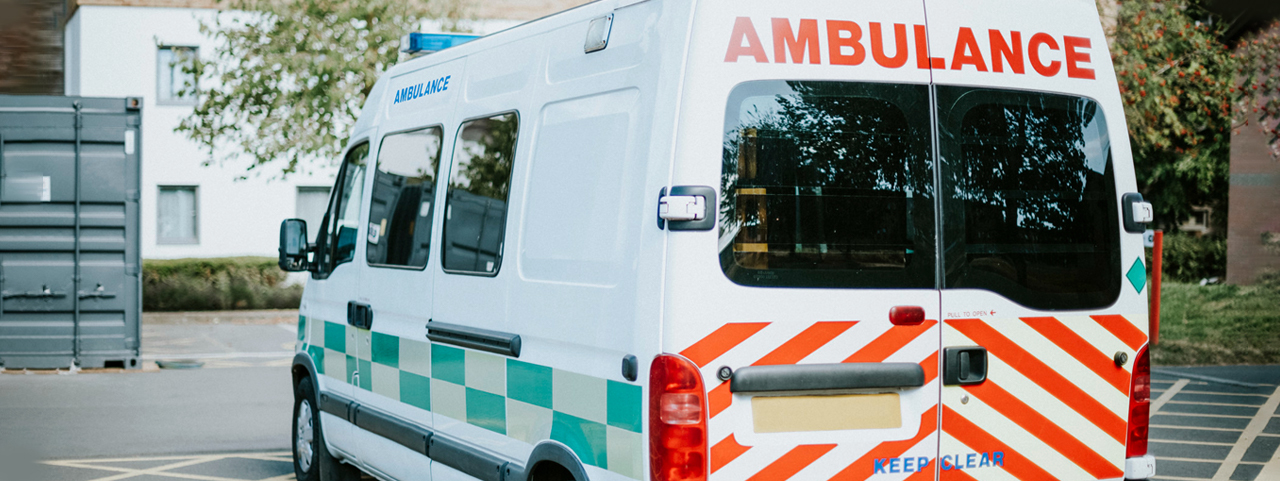
Arrangement of Ambulances for Medical Assistance
Access to timely medical care can mean the difference between life and death. In many rural, remote, and underserved urban areas, the lack of emergency transportation often leads to avoidable loss of life, especially among the poor and vulnerable. An effective ambulance service is not just a vehicle—it is a lifeline. Recognizing this urgent need, our NGO is committed to arranging and operating ambulance services to provide timely, affordable, and accessible medical assistance to those in need.
The Need for Ambulance Services
In many parts of the country, people have to travel long distances to reach a hospital, often without proper transport. For critical patients, pregnant women, accident victims, or those suffering from sudden health emergencies like strokes or heart attacks, this delay can be fatal. Even in urban slums, traffic congestion and a lack of awareness about available services worsen the situation.
The unavailability of affordable ambulances means that poor families either borrow vehicles or delay treatment due to financial constraints. This gap in emergency healthcare services needs to be urgently addressed through dedicated efforts.
Reaching Remote Areas
Special attention will be given to tribal regions, flood-prone zones, hilly terrains, and areas with no public transport. By deploying ambulances in these challenging regions, we aim to reduce maternal and child mortality, provide care during epidemics, and respond effectively during natural disasters or accidents.
Awareness and Training
Beyond emergency response, we will conduct awareness programs in communities to educate people on when and how to call for an ambulance. We also plan to offer first-aid training to local volunteers so that initial support can be provided even before the ambulance arrives.
Our Vision and Initiative
Our organization aims to bridge this life-threatening gap by establishing a well-equipped, responsive ambulance network that operates in both rural and urban underserved areas. These ambulances will be available 24/7 and will serve patients regardless of their ability to pay.
Each ambulance will be equipped with basic life support (BLS) or advanced life support (ALS) systems, oxygen cylinders, stretchers, first aid kits, and trained paramedics. Our goal is to ensure that every patient receives immediate pre-hospital care and is safely transported to the nearest medical facility.
Free and Subsidized Ambulance Services
To ensure that cost is never a barrier to emergency care, our NGO will provide free ambulance services to below-poverty-line (BPL) families and subsidized rates to others. We are also working towards tie-ups with government hospitals, private donors, and CSR initiatives to fund the operation and maintenance of these services.
In addition, our helpline will be operational round-the-clock to respond to emergency calls and dispatch ambulances promptly.
Conclusion
Ambulances are more than just vehicles—they are symbols of hope, care, and timely intervention. Through our initiative, we aspire to create a safety net for the underprivileged and ensure that no life is lost due to the lack of emergency transportation. With your support and partnership, we can drive this mission forward and save countless lives.