

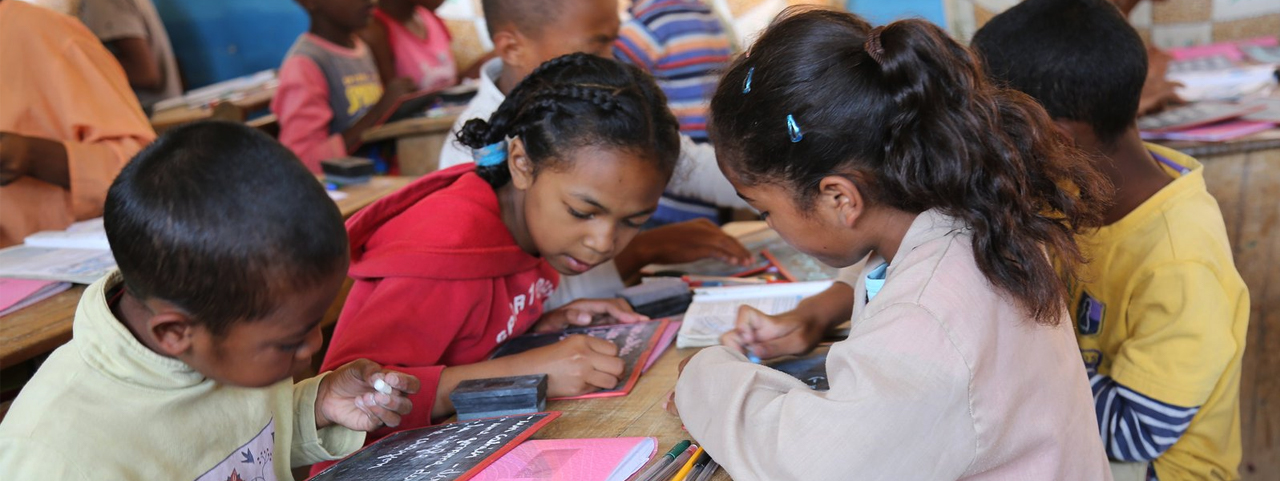
Efforts Will Be Made to Support the Education of Children from Poor Families
Education is a fundamental right and a powerful tool that can break the cycle of poverty. However, for millions of children from poor families, access to quality education remains a distant dream. Poverty often forces children to drop out of school to support their families, or never attend school at all due to lack of resources. Supporting the education of underprivileged children is not just an act of charity—it is an investment in the future of our society.
Barriers to Education for Poor Children
Children from low-income families face several obstacles in their educational journey. These include:
- Lack of money for school fees, uniforms, books, and transportation.
- Household responsibilities or the need to work for extra income.
- Poor infrastructure in rural or slum areas, including the absence of nearby schools.
- Malnutrition and health issues that affect attendance and learning ability.
- Social barriers like caste-based discrimination or gender inequality.
- Overcoming these barriers requires a comprehensive and compassionate approach that ensures every child has an equal opportunity to learn and succeed.
Scholarships and Financial Aid
One of the most effective ways to support poor children’s education is through scholarships, free school supplies, and tuition waivers. Governments and NGOs can provide monthly financial aid to cover school-related expenses. This encourages children to stay in school and reduces the financial burden on their families.
Mid-Day Meals and Health Support
Hunger is a major reason for school absenteeism. Providing nutritious mid-day meals not only improves attendance but also enhances students’ ability to concentrate and perform better. Additionally, regular health check-ups in schools ensure children are physically fit to learn.
Free Coaching and Mentorship
Children from poor families often lack academic support at home. Free after-school tutoring, coaching for competitive exams, and mentorship programs can help bridge the learning gap. These efforts boost self-confidence and prepare students for higher education and better job opportunities.
Digital Learning and Access to Technology
In the modern age, digital literacy is crucial. Yet, many poor children do not have access to smartphones, computers, or the internet. Efforts should be made to distribute digital devices, provide community learning centers, and offer low-cost online courses to make learning accessible and inclusive.
Community Involvement and Awareness
Supporting education is not just the role of schools or NGOs—it requires the active participation of the entire community. Parents must be made aware of the importance of education through awareness campaigns and local outreach programs. Community leaders, volunteers, and local institutions can play a vital role in motivating families to prioritize schooling.
Conclusion
Every child deserves the chance to dream, learn, and grow—regardless of their economic background. Supporting the education of children from poor families is a step toward creating a fair, just, and progressive society. With sustained efforts, collaborative support, and compassionate action, we can ensure that no child is left behind in the journey of education.