

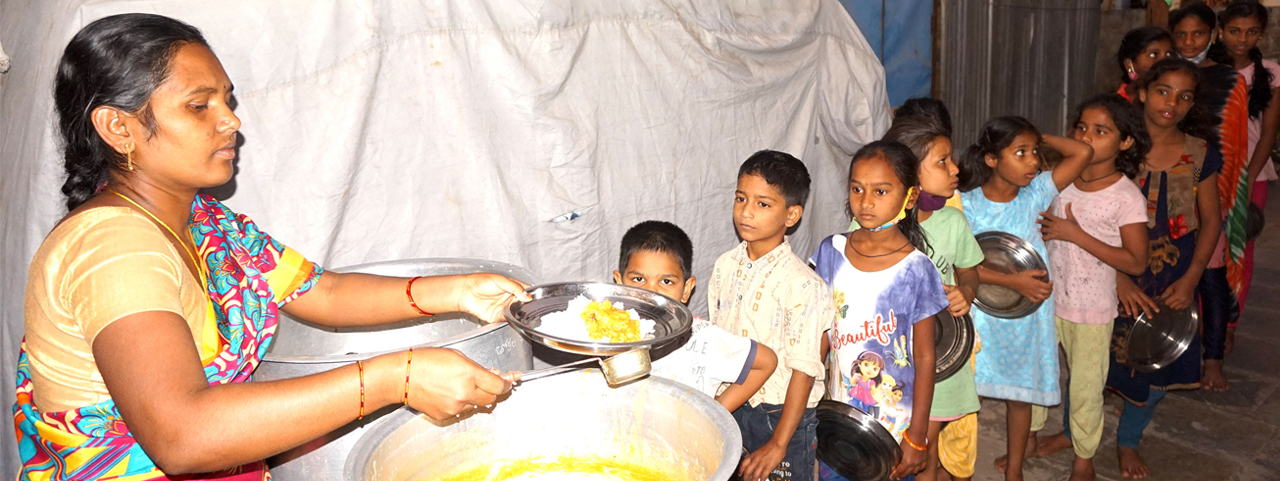
Assistance for Orphans and Destitute Children
Orphans and destitute children represent one of the most vulnerable segments of society. Deprived of parental care, emotional security, and often the basic necessities of life, these children face numerous challenges including poverty, neglect, malnutrition, lack of education, and exposure to exploitation. Providing holistic assistance to such children is not only a moral responsibility but also a critical step toward building a more compassionate and equitable society.
Basic Needs and Shelter
The first and foremost need of orphaned and destitute children is a safe and nurturing environment. Many of these children live on the streets or in inadequate shelters where they are exposed to abuse, trafficking, and health hazards. Establishing well-managed orphanages, children’s homes, or foster care systems can provide them with a stable home, nutritious food, clothing, and proper sanitation. These facilities should not only address physical needs but also offer emotional security and a sense of belonging.
Access to Quality Education
Education is a powerful tool that can break the cycle of poverty and dependence. Ensuring that orphans and destitute children receive free and quality education should be a top priority. From early childhood education to higher studies, opportunities must be created through scholarships, school supplies, uniforms, and after-school tutoring. Special attention should be given to helping children catch up academically if they have missed out on schooling.
Healthcare and Nutrition
Children without family support often suffer from poor health due to lack of access to medical care and proper nutrition. Regular health check-ups, immunizations, mental health services, and nutritious meals must be part of any assistance program. Awareness on hygiene and disease prevention should also be included in daily routines to ensure long-term well-being.
Emotional and Psychological Support
The loss of parents or abandonment can leave deep emotional scars. Many of these children struggle with low self-esteem, trauma, and behavioral issues. Providing counseling services, mentorship programs, and recreational activities can help rebuild their confidence and social skills. A child-centric approach that offers care, compassion, and consistent emotional support is vital for healthy psychological development.
Protection from Exploitation
Orphans and destitute children are highly vulnerable to exploitation, including child labor, trafficking, and abuse. Strengthening child protection laws, raising awareness in communities, and forming vigilant child welfare committees can help safeguard their rights. Legal identity, such as birth certificates and Aadhar cards (in India), should be ensured to help them access government schemes and protections.
Skill Development and Future Planning
As these children grow older, it’s essential to prepare them for independent life. Vocational training, career counseling, life skills education, and support for higher studies or job placements can help them build a future with dignity. Creating transition programs for children aging out of orphanages ensures they don’t fall back into destitution.
Conclusion
Assisting orphans and destitute children is not just about charity—it’s about investing in the future of our society. Every child deserves love, protection, and the opportunity to thrive. Through collective efforts from individuals, communities, NGOs, and governments, we can create a safety net that supports these children and helps them grow into empowered, contributing members of society.